
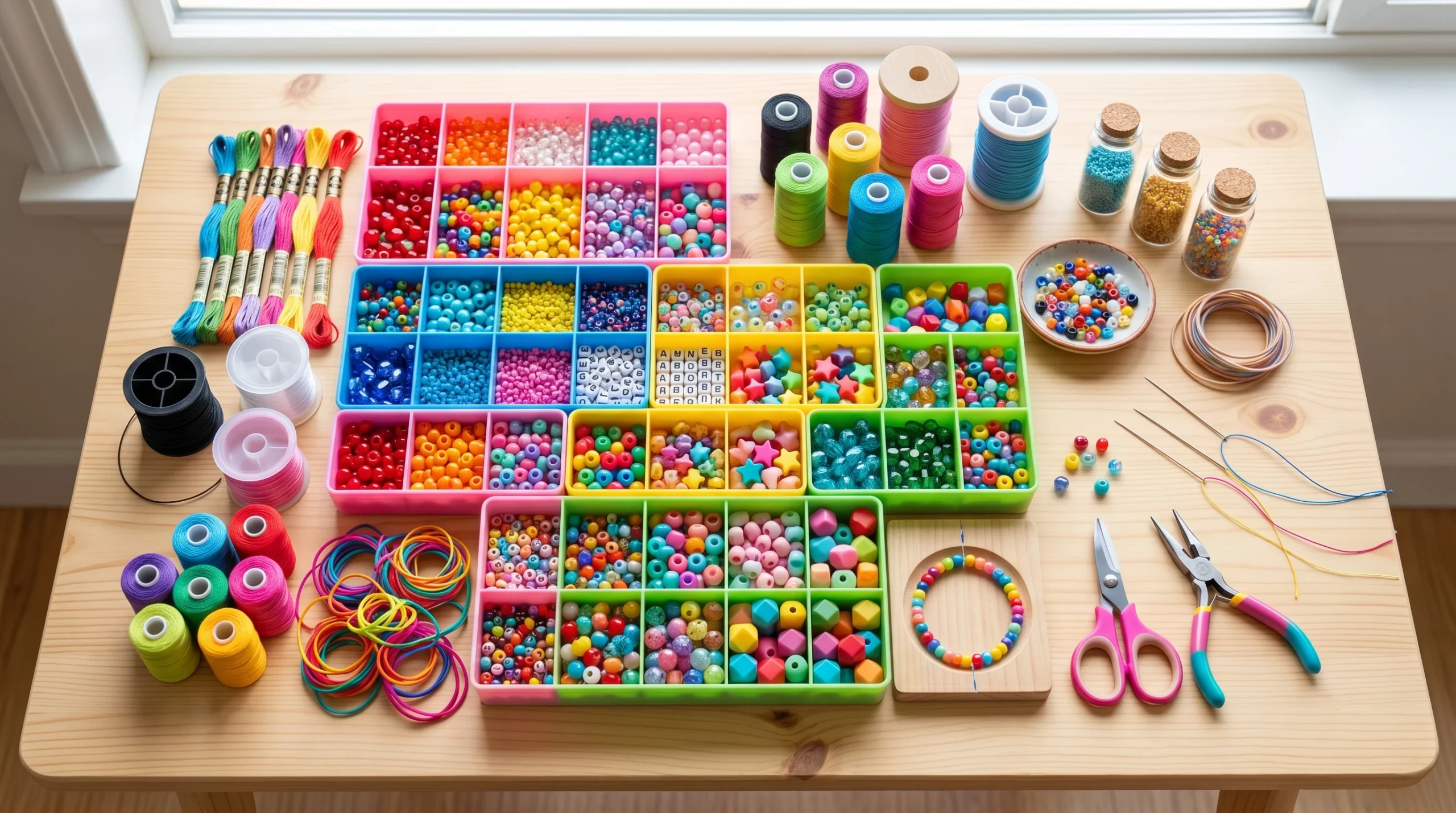
Pattern recognition is more than a colorful classroom activity; it’s a vital skill for young learners, setting the groundwork for logical thinking and problem-solving. By using Pattern Bead Strips, educators can introduce kids to the world of colors and shapes in a fun and interactive way.
Creating these strips doesn’t need advanced crafting skills. All you need are a variety of beads and strips of paper or string. Set up a sequence of colors and shapes on the strip and let the kids mimic it. It’s like turning a puzzle into art, and it gives students a feel of accomplishment seeing a pattern they’ve recreated with their own hands.
But it’s not just about making patterns. These colorful strips encourage visual observation and give those little fingers a workout. Picking up tiny beads and placing them correctly requires concentration and dexterity, making it a win-win for cognitive and motor skill development.
Teachers can weave Pattern Bead Strips into many learning themes. Whether it’s a seasonal topic like autumn leaves or a lesson about insects, matching bead colors and shapes to real-world objects can make learning feel like playtime. Get creative, use different shapes and colors, and watch as kids’ eyes light up with understanding.
Math Meets Motor Skills: Bead Counting Sticks
Bead Counting Sticks offer a dynamic way to mix math with hands-on learning. It’s making math tangible, where abstract numbers turn into something you can touch and feel.
Crafting these sticks is straight-up simple. Grab some sticks—craft sticks or wooden spoons are fab for this—and some beads. Mark each stick with numbers and let students slide beads on them to match the numbers. It’s about seeing and doing, taking numbers from page to hands.
This isn’t just play. It helps boost numeracy skills while improving kids’ dexterity. Kids count as they thread, learning sequences and quantities, and all while having fun with friends.
Incorporating Bead Counting Sticks into the math curriculum can easily align with Common Core standards. It’s direct application of math concepts with the added bonus of physical engagement. For teachers, it’s great—not only are kids learning math, but they’re also refining their motor skills.
Make it casual. Ask students to match the beads with numbers or to solve simple math problems by adding or removing beads. It keeps the activity flexible and suitable for different skill levels.
Sensory Exploration During Free Time: Morning Tub Bead Scooping
Morning Tub Bead Scooping activities are a hit for sensory play in classrooms. They offer kids a satisfying tactile experience that also sneaks in a bit of skill-building on the sly.
Setting up this activity is a breeze. All you need is a bin filled with various beads and some scoops or tongs. Let the kids dig in and scoop away. It’s like a sensory goldmine, giving them an opportunity to explore textures and practice their grip and hand-eye coordination.
Sensory play like this opens another dimension of learning. It’s calming and engages many senses at once, providing a balanced way for kids to begin their day in the classroom. Plus, it’s super adaptable. You can sort beads by color, type, or size, steering this playtime towards categorization and even early math skills.
This activity is inclusive, too. It’s perfect for kids of all abilities, making your classroom a welcoming space where every child feels involved. Plus, it encourages independent play, which is a great way to develop self-guided learning.
Rolling out Morning Tub Bead Scooping can be a daily routine, setting a tone of focus and readiness for the rest of the day. And yes, the noise of beads clinking is like a gentle soundscape that can add a touch of zen to your classroom vibes.
Inspiring Creativity and Calmness: Pipe Cleaner Bead Bracelets & Bead Pattern Cards
Mixing creativity with calm, Pipe Cleaner Bead Bracelets bring a chill art vibe to the classroom. These activities are perfect for students to express themselves, while getting their fine motor skills in check.
To kick this off, grab some colorful pipe cleaners and loads of beads. Kids can design their very own bead bracelets, exploring different color patterns and styles. It’s like fashion design for young hands, boosting their confidence as they sport their creations.
Alongside, Bead Pattern Cards offer a sort of blueprint for creativity. You can use DIY options or printable cards loaded with patterns for kids to replicate. It’s another neat way to get them working on pattern recognition, without making it feel like a task.
Art is known for its calming effects, turning the mood of a classroom around when things get a bit hectic. Pipe Cleaner Bead Bracelets can be a go-to for quiet time activities, allowing children to settle down with their art project, while teachers enjoy a bit of order.
This creative process nurtures a connection between imagination and reality, encouraging kids to think outside the box. Plus, it’s a fun way to practice patience and concentration as they carefully thread each bead. Make math + fine-motor practice fun with these bead templates – tap here.
If you have any questions or comments, feel free to leave them in the comments below.