
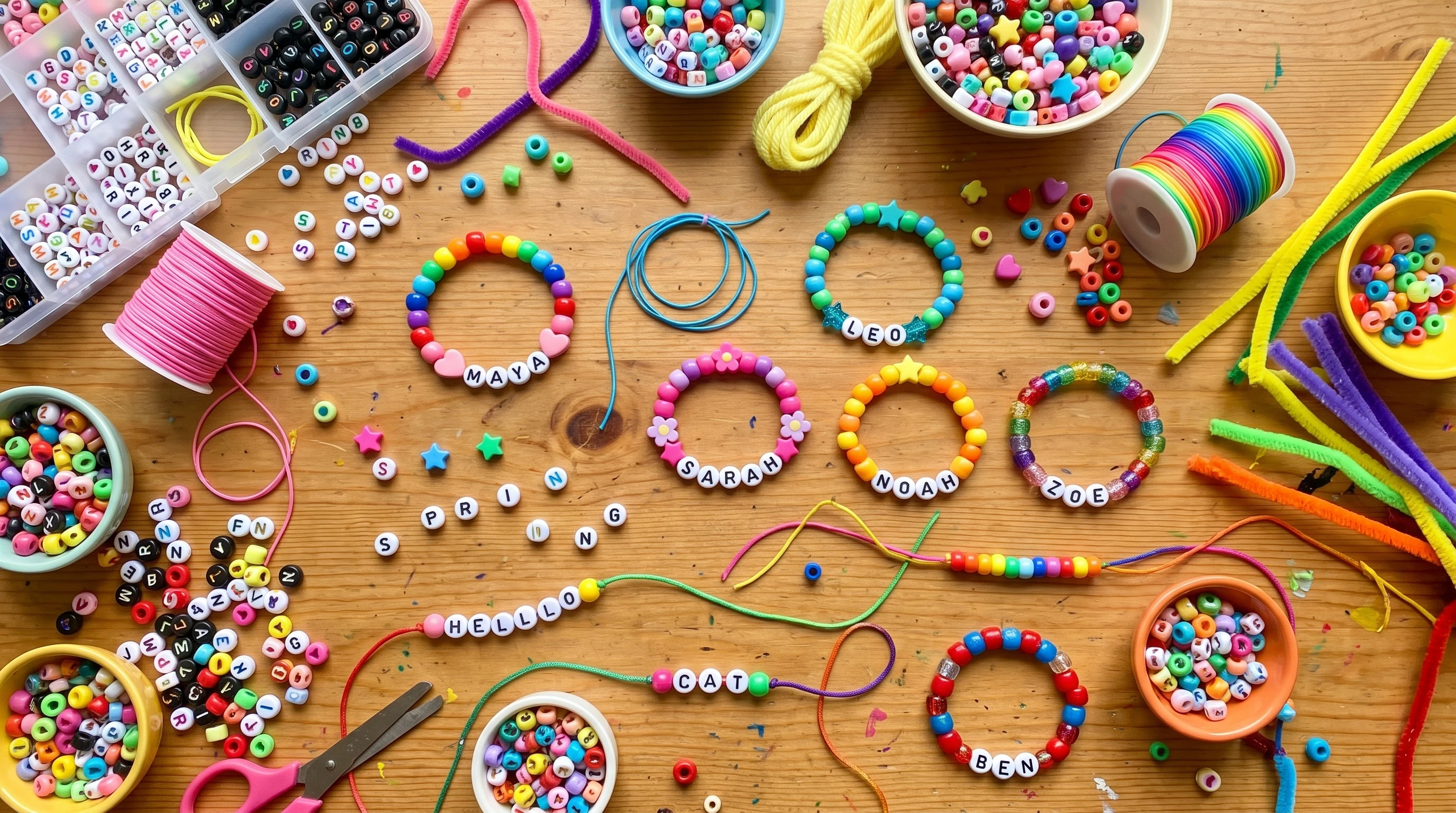
Alphabet bead projects offer a playful way for kids to work on early literacy skills with their hands. Whether it’s threading colorful beads onto pipe cleaners or building a name bracelet, alphabet beads can turn learning letters—usually a sit-at-the-table task—into a creative activity. Not only do kids get practice with recognizing and spelling letters, but they also strengthen their fine motor skills. If you’re looking for ideas to boost early literacy with a little bit of crafty fun, alphabet bead projects are worth checking out.
Why Alphabet Bead Projects Support Early Literacy
Alphabet bead crafts go well beyond making cute jewelry or stacking games. Hands-on learning with beads taps into how kids naturally develop language skills. When little ones spell out their names or simple words with beads, they link letter symbols to sounds and meanings. It’s not just about memorizing the alphabet; it’s about using letters in real ways, which research shows is super important for learning to read and write.
Children who play with letter beads have real opportunities to notice letter differences, copy letter shapes, and connect with words that matter to them. For instance, when a child strings beads to spell “MOM,” it’s personal and meaningful. These projects add a playful, tactile dimension to early literacy that worksheets alone just can’t match.
Getting Started: Choosing the Best Alphabet Beads and Supplies
The market offers plenty of alphabet bead sets in all shapes, fonts, and colors. For early literacy projects, big chunky beads with large, clear print are easiest for young kids to see and handle. Wooden or plastic beads both work well; just make sure the letters are easy to read. Start with a basic selection:
- Alphabet beads: Check that your set includes multiple copies of common letters like A, E, I, O, U, S, and T, since you’ll often need those for names and simple words.
- String or elastic cord: Go for something sturdy that’s simple to knot, like soft lacing strings or childsafe elastic.
- Pipe cleaners: These are handy for little hands and keep beads from slipping off by accident.
- Safety scissors: Make sure these are age appropriate and used under supervision.
- Storage box: Keeps everything sorted and easy to grab during craft time.
Beads that are too tiny for preschoolers can be tough to see, tricky to grip, and might be a choking hazard for very young kids, so it’s best to stick with larger options for little ones.
Simple Alphabet Bead Activities to Build Literacy Skills
There are loads of quick and fun ways to use alphabet beads with early learners. Some favorites mix spelling, recognition, and name writing skills with creativity:
- Name necklaces: Kids love seeing their names in beads. Threading each letter helps with name spelling and letter recognition, and you can use different bead colors for each letter for extra flair.
- Word bracelets: Pick a theme, like “feelings” or “colors,” and make bracelets for words like “HAPPY” or “BLUE.” It’s a good way to have a chat about what words mean while practicing spelling.
- Letter matching chains: Set out a printed alphabet and have kids match beads by placing them on top, or string the beads in ABC order.
- Sight word keychains: Use high frequency words from sight word lists, turning repetition into something fun they can clip onto a backpack or keyring.
- Spelling games: Call out a word and have your child race to find and string the correct beads. This gives spelling practice without much pressure.
Blending creative projects like these with reading and writing practice makes learning engaging and effective for kids of all ages.
Troubleshooting Common Challenges with Bead Literacy Projects
Working with beads can be a bit tricky for kids still developing coordination. If you notice frustration or dropped beads, a few small adjustments can make a big difference:
- Try larger beads: Jumbo size beads make threading easier for small hands.
- Use pipe cleaners: These hold their shape, so beads don’t slip off too early in the process.
- Work one letter at a time: For beginners, ask them to find and place just one new alphabet bead between each colored bead for practice.
- Break up tasks: Instead of spelling longer words, split them into smaller sections or stick to shorter words while building confidence.
Handling Repeated Letters
If you run out of a specific letter, swap in a blank or a colored bead and explain what it stands for. This is a good way to talk about how often certain letters occur and practice flexible problem-solving skills.
Keeping Kids Motivated
Let your child take the lead in picking words or names for projects. When they have a say in what they’re making, interest in learning tends to jump. If you’re working with a group, encourage kids to trade bracelets or give their creations as gifts. Sharing makes the activity even more rewarding and enjoyable.
Adding More Literacy Value: Extensions and Variations
Alphabet bead projects are super flexible, and there are so many ways to tie in extra learning as your child’s skills grow:
- Story strings: After spelling a word, help your child come up with a sentence using that word, or act out what it means. This brings reading and storytelling together for a fun learning boost.
- CVC word chains: Build consonant vowel consonant (CVC) words like “cat” or “hug.” Switch out letters to create new words and show word families in a hands-on way.
- Scrambled beads: Put the letter beads in the wrong order on a string and get your child to fix them; it’s perfect for practicing left-to-right spelling.
- Alphabet patterns: Mix in different colored beads so kids can start recognizing patterns while also learning letters.
Mixing literacy with other skills like counting, sorting, and color matching is a snap with beads. Try designing patterns, grouping by color, or counting syllables as you spell out words. These extra steps can add more learning to every project without making things too challenging.
Also, create themed bead projects for holidays or special events—think “LOVE” for Valentine’s Day or spelling out a favorite animal for a zoo trip—which adds a layer of excitement and relevance to your child’s learning experience.
Choosing the Right Alphabet Bead Project for Your Child’s Age
The best bead project depends on your child’s age and progress. Here’s a quick guide to help you get started:
- Toddlers: Stick with single letter beads and super simple threading. Remind them to name each letter out loud as they slide them on the string or pipe cleaner.
- Preschoolers: Match beads to letters in their names or new vocabulary words. They’re ready for short sight words, basic color patterns, and even some simple matching games to recap what they’re learning.
- Kindergartners and up: Try building simple sentences, practicing more sight words, and making CVC chains. Encourage spelling new words and reading aloud when the project is finished.
Whatever stage your child is at, make adjustments to keep things challenging but doable, and celebrate the outcomes, no matter how simple.
Frequently Asked Questions About Alphabet Bead Projects
Question: At what age can kids start with alphabet beads?
Answer: Most kids can begin supervised bead threading by age 3, though always use big beads for little ones. For actual letter recognition and spelling work, ages 4 or 5 is usually the sweet spot.
Question: Will my child only learn spelling with bead crafts?
Answer: No. Alphabet bead projects also help with letter identification, phonics, fine motor skills, and even early sentence building. You can tailor activities for a bunch of early literacy goals.
Question: What if my child loses interest?
Answer: Keep things interesting by changing up projects, trying new bead colors, or picking words that match your child’s favorite things. Inviting a friend or sibling along for bead play can add a fun social twist.
Bringing Alphabet Bead Projects Into Everyday Learning
It’s easy to work alphabet bead activities into busy schedules. Keep a tray of beads handy for afterschool wind down, weekend crafternoons, or even quiet moments before dinner. Some parents slip a handful of alphabet beads into a resealable bag for car rides or waiting in line. When bead projects are part of your everyday routine, literacy practice happens naturally, giving reading skills a boost every day.
Teachers or caregivers can set up alphabet bead stations as active, inviting options for literacy centers. Kids can use their finished bead creations for classroom displays, bookmarks, or as little gifts for loved ones, turning each project into a memory that sticks.
Alphabet bead projects make abstract literacy skills hands-on and fun, building not only words but also confidence, independence, and the kind of joyful involvement that helps kids become lifelong readers and writers. The possibilities are endless—just grab some beads, get creative, and take your child’s early literacy adventure up a notch!
If you have any questions or comments, feel free to leave them in the comments below.